


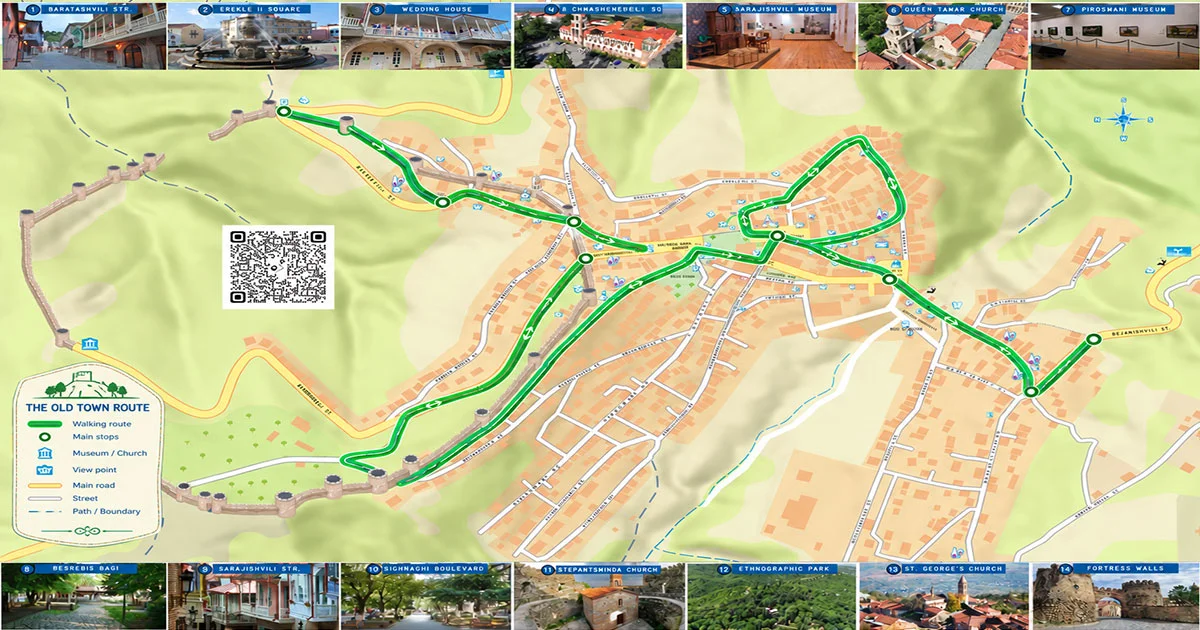
The cultural excursion of Sighnaghi includes visiting the main tourist streets and cultural monuments of the city, including the Sighnaghi Historical-Ethnographic Museum.
Destination - Sighnaghi
Distance to be covered: 3.5 km.
Duration: 4-5 hours
Type: Culture, Walking.
Seasonality: All seasons
Attractions:
1. Baratashvili Str.
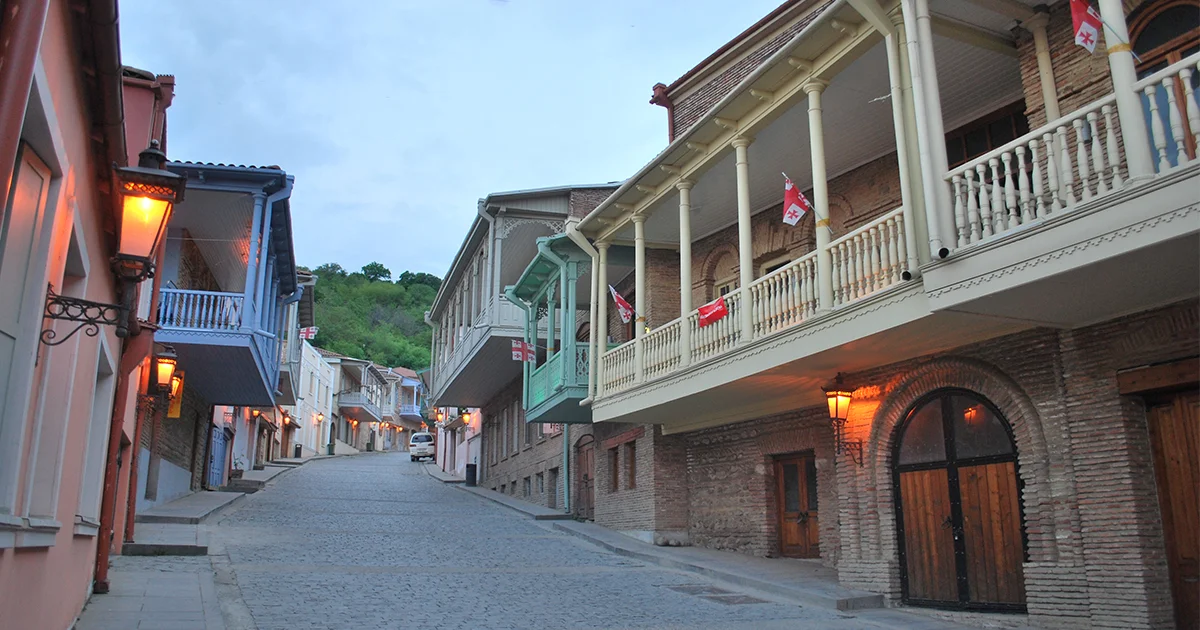
One of the most popular and distinctive places in Sighnaghi. The street is distinguished by the historical architecture characteristic of the city and houses with balconies, which create the unique appearance and charm of Sighnaghi. Walking here allows visitors to become better acquainted with the city’s historical environment and traditional architecture.
1. Baratashvili Str.
One of the most popular and distinctive places in Sighnaghi. The street is distinguished by the historical architecture characteristic of the city and houses with balconies, which create the unique appearance and charm of Sighnaghi. Walking here allows visitors to become better acquainted with the city’s historical environment and traditional architecture.
2. Erekle II Square and Sighnaghi Fountain -
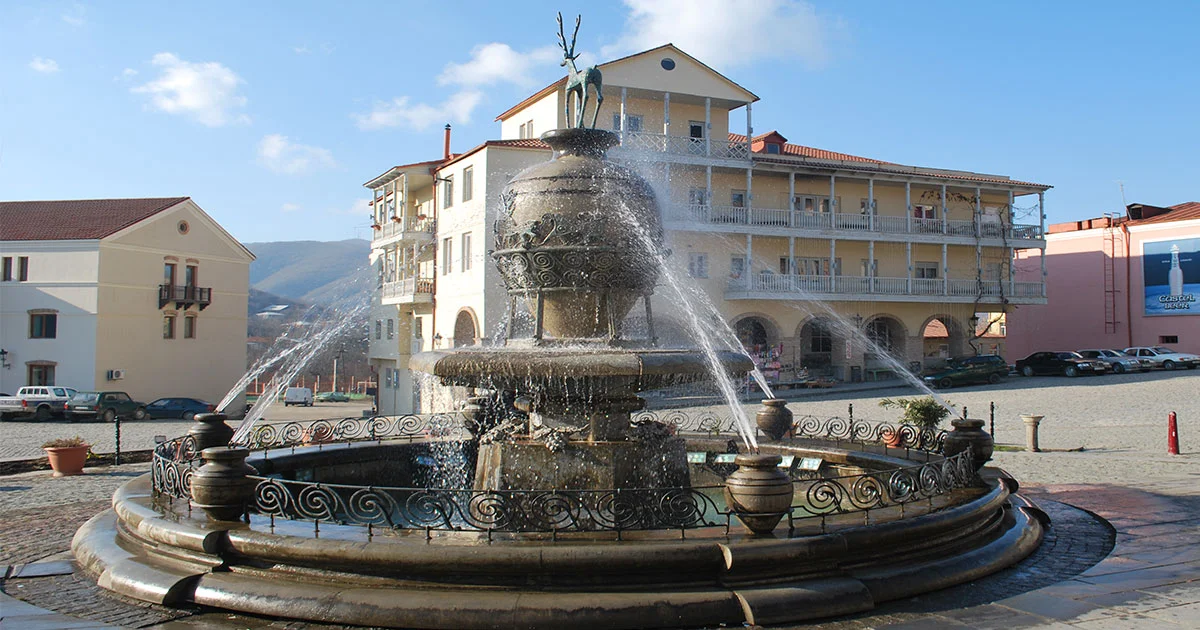
Erekle II Square is one of the distinguished places in the historical center of Sighnaghi. The square is distinguished by old architecture, houses with balconies, and historical buildings. The fountain located in the square was created in 2007 as part of the city’s rehabilitation. Its author is the famous sculptor and graphic artist Gia Japaridze. The design of the fountain is inspired by archaeological artifacts from the Bronze Age.
2. Erekle II Square and Sighnaghi Fountain -
Erekle II Square is one of the distinguished places in the historical center of Sighnaghi. The square is distinguished by old architecture, houses with balconies, and historical buildings. The fountain located in the square was created in 2007 as part of the city’s rehabilitation. Its author is the famous sculptor and graphic artist Gia Japaridze. The design of the fountain is inspired by archaeological artifacts from the Bronze Age.
3. Wedding House
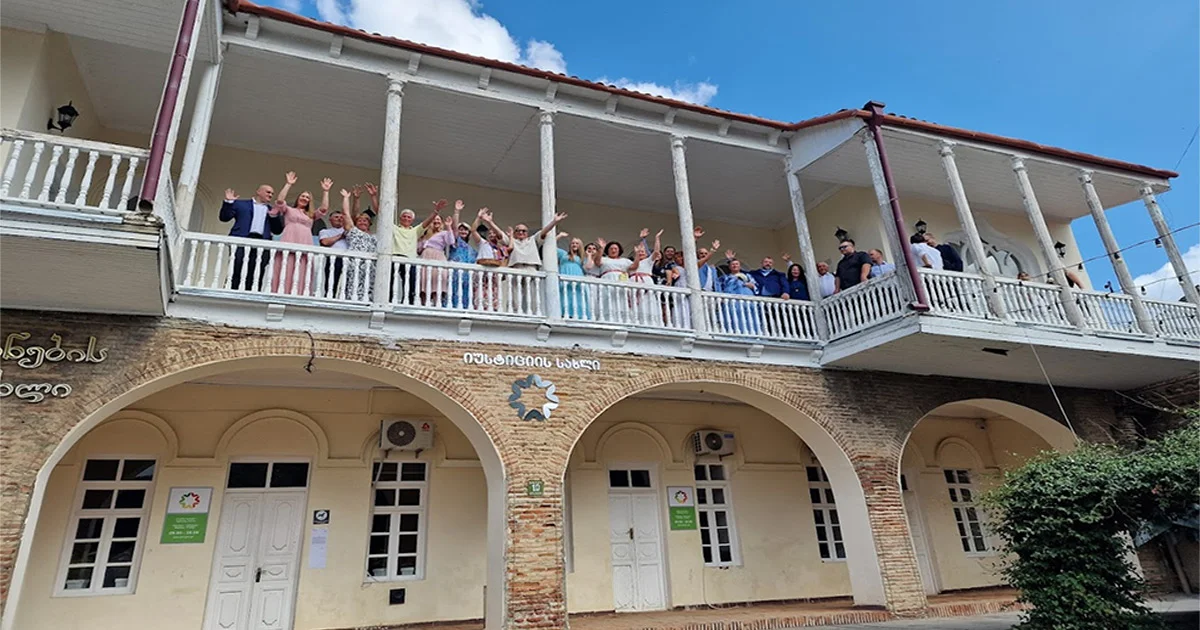
Sighnaghi is associated with love, while the Wedding House located in the city center is one of its distinctive symbols. Here, local and international visitors have the opportunity to use the marriage ceremony service and officially register a marriage, which is confirmed by the relevant legal document.
3. Wedding House
Sighnaghi is associated with love, while the Wedding House located in the city center is one of its distinctive symbols. Here, local and international visitors have the opportunity to use the marriage ceremony service and officially register a marriage, which is confirmed by the relevant legal document.
4. Davit Aghmashenebeli Square, Theatre
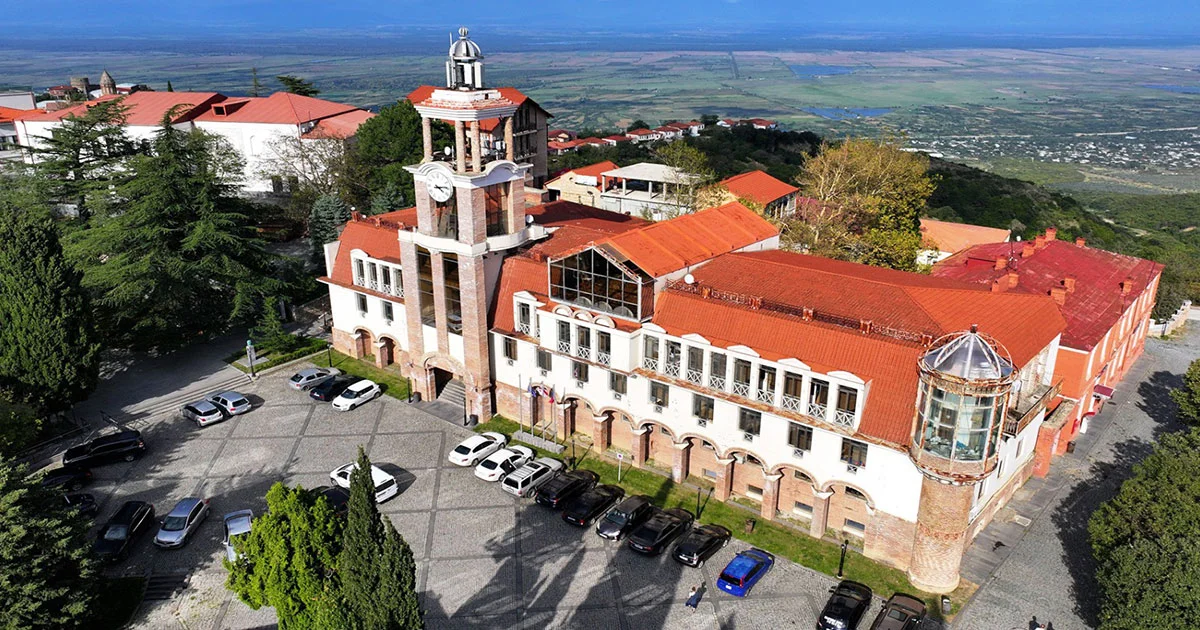
Aghmashenebeli Square is one of the important spaces in the historical center of Sighnaghi. The square is home to the Municipal City Hall building, Sighnaghi Theatre, a bank, a hotel, a restaurant, and souvenir shops. Local and international festivals, cultural events, and various types of events are often held here. The square is an important part of the city’s historical development and tourist routes.
4. Davit Aghmashenebeli Square, Theatre
Aghmashenebeli Square is one of the important spaces in the historical center of Sighnaghi. The square is home to the Municipal City Hall building, Sighnaghi Theatre, a bank, a hotel, a restaurant, and souvenir shops. Local and international festivals, cultural events, and various types of events are often held here. The square is an important part of the city’s historical development and tourist routes.
5. Vano Sarajishvili Memorial Museum
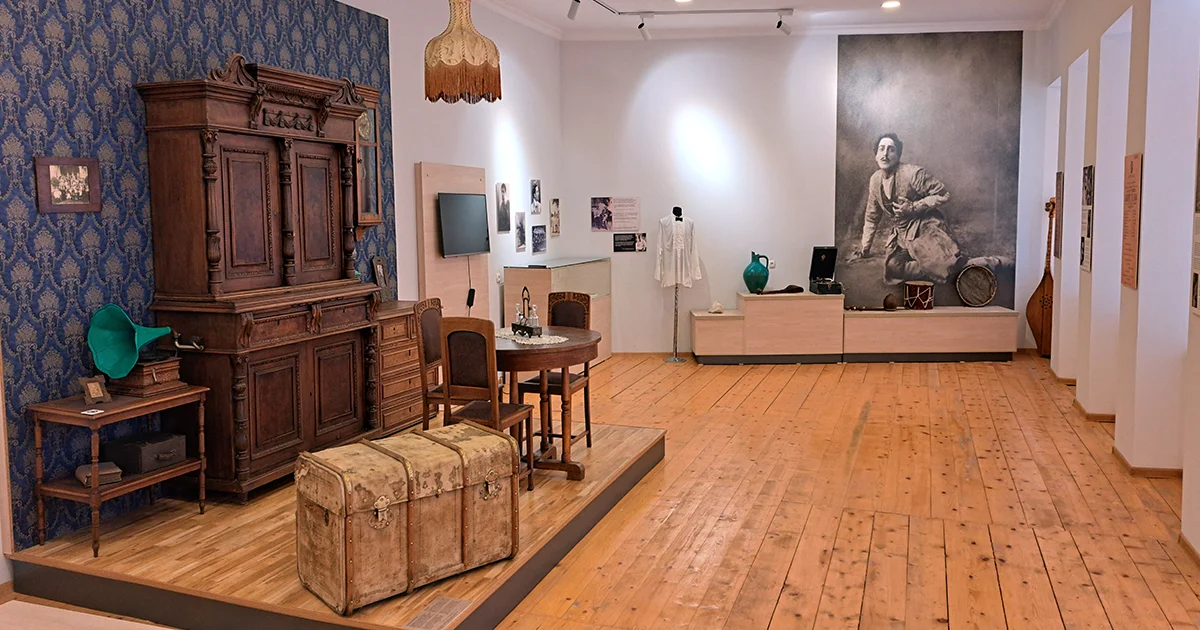
The museum of the great tenor, Vano Sarajishvili, was opened in 1988. Before that, his personal belongings were kept in the Sighnaghi Historical-Ethnographic Museum, which Vano’s wife, Nino Kikodze, left to the state before her death.
5. Vano Sarajishvili Memorial Museum
The museum of the great tenor, Vano Sarajishvili, was opened in 1988. Before that, his personal belongings were kept in the Sighnaghi Historical-Ethnographic Museum, which Vano’s wife, Nino Kikodze, left to the state before her death.
6. 9 April Street and King Tamar Church
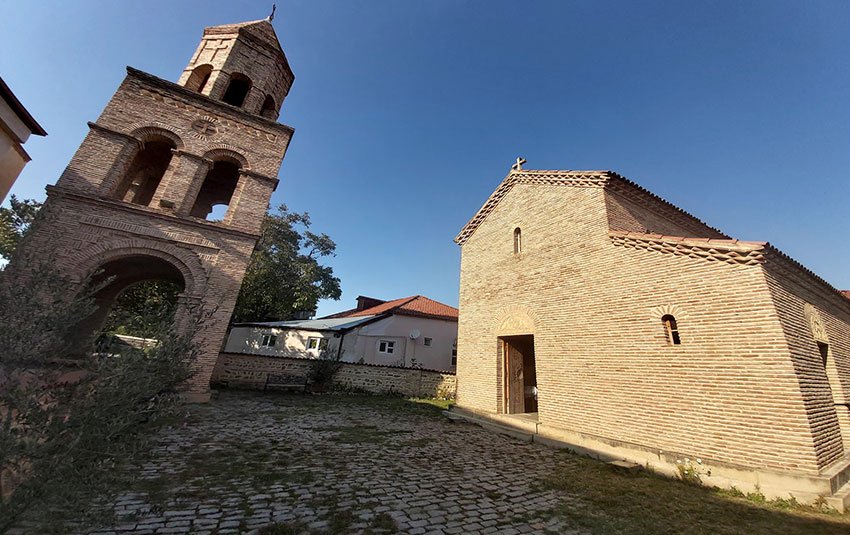
This is one of the most interesting streets in the historic city of Sighnaghi. Historically, the street was known as “Abanotubani” (“Bath District”) because of the bathhouses located here. In the 19th century, the street was home to the post office and Ivane Shavliashvili’s reading room, and the “head of the city” also lived here. The street is home to King Tamar Church, which was built during the rehabilitation of Sighnaghi in 2007.
6. 9 April Street and King Tamar Church
This is one of the most interesting streets in the historic city of Sighnaghi. Historically, the street was known as “Abanotubani” (“Bath District”) because of the bathhouses located here. In the 19th century, the street was home to the post office and Ivane Shavliashvili’s reading room, and the “head of the city” also lived here. The street is home to King Tamar Church, which was built during the rehabilitation of Sighnaghi in 2007.
7. Sighnaghi Historical-Ethnographic Museum
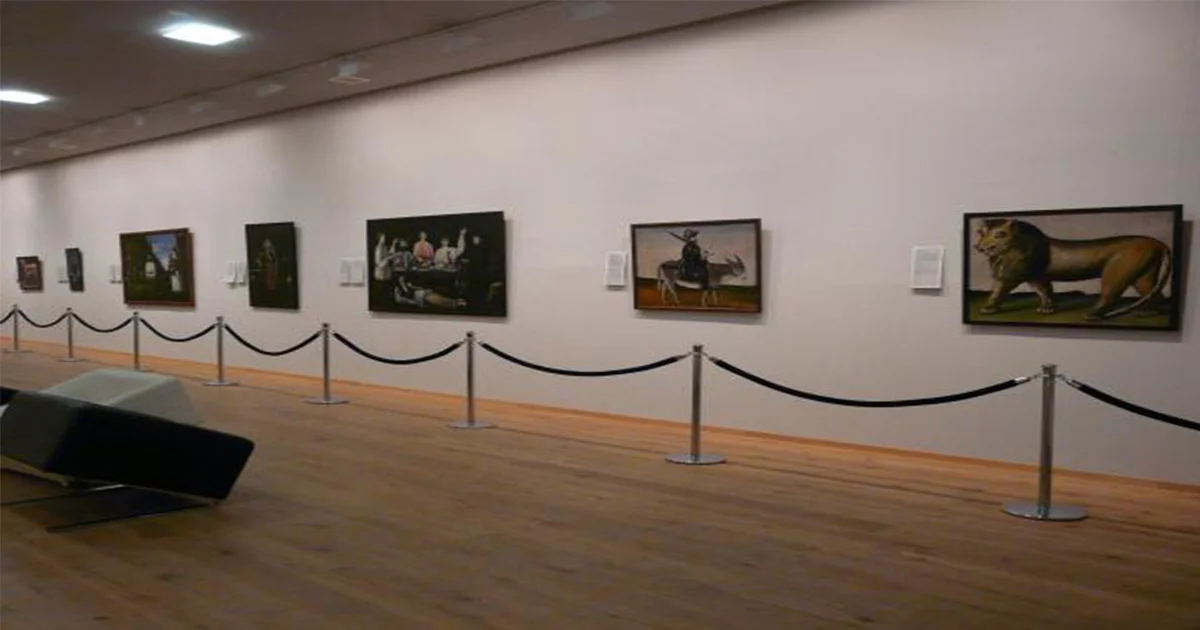
The Sighnaghi Museum is the first museum in the region to meet modern museum standards. It houses an exceptional collection of ethnographic, archaeological, and medieval artifacts. The museum’s main hall displays 14 paintings by Niko Pirosmanishvili, one of the world’s most renowned self-taught artists, who was active at the turn of the 20th century.
7. Sighnaghi Historical-Ethnographic Museum
The Sighnaghi Museum is the first museum in the region to meet modern museum standards. It houses an exceptional collection of ethnographic, archaeological, and medieval artifacts. The museum’s main hall displays 14 paintings by Niko Pirosmanishvili, one of the world’s most renowned self-taught artists, who was active at the turn of the 20th century.
8. Sighnaghi “Bebrebis Bagi”
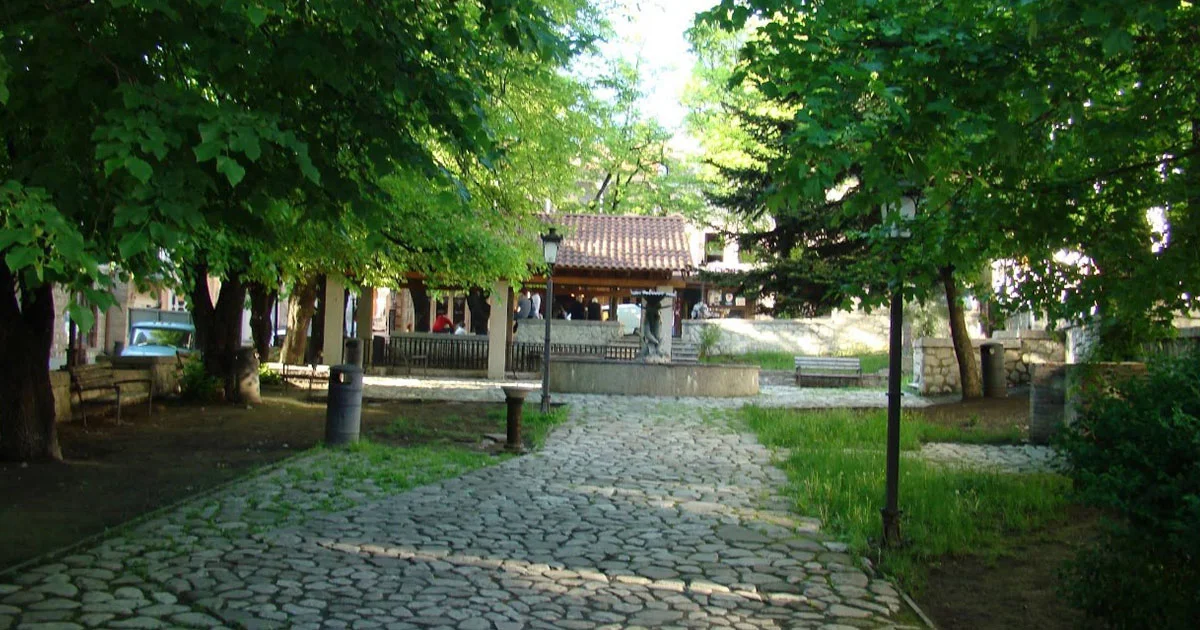
The garden was established on the site of Sakula Ghoniyev’s (Nabia’s) wine and vodka cellars. Originally, this area served as a gathering place for elderly residents of Sighnaghi and also housed a vodka sales point. In the 1950s, the area above the cellars was leveled with granite and transformed into a garden, which was later named “Bebrebis Bagi” (“Grandparents’ Garden”).
8. Sighnaghi “Bebrebis Bagi”
The garden was established on the site of Sakula Ghoniyev’s (Nabia’s) wine and vodka cellars. Originally, this area served as a gathering place for elderly residents of Sighnaghi and also housed a vodka sales point. In the 1950s, the area above the cellars was leveled with granite and transformed into a garden, which was later named “Bebrebis Bagi” (“Grandparents’ Garden”).
9. Sarajishvili Street in Sighnaghi
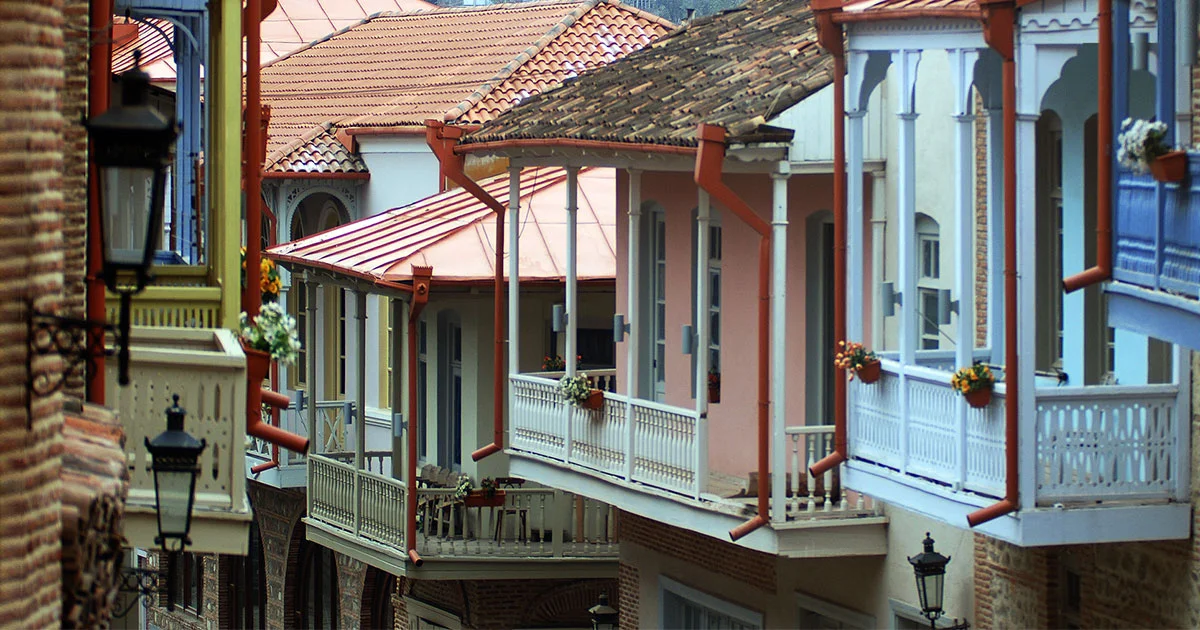
Sarajishvili Street is one of the most distinctive streets in the historic city of Sighnaghi. It is characterized by traditional old-town architecture, wooden balconies, and a cozy atmosphere. The house where the famous Georgian lyrical tenor Vano Sarajishvili was born is located on the street. The house-museum of Sandro Mirianashvili, a People’s Artist of Georgia and Honored Worker of Art, is also located here.
9. Sarajishvili Street in Sighnaghi
Sarajishvili Street is one of the most distinctive streets in the historic city of Sighnaghi. It is characterized by traditional old-town architecture, wooden balconies, and a cozy atmosphere. The house where the famous Georgian lyrical tenor Vano Sarajishvili was born is located on the street. The house-museum of Sandro Mirianashvili, a People’s Artist of Georgia and Honored Worker of Art, is also located here.
10. The Boulevard and War Memorials
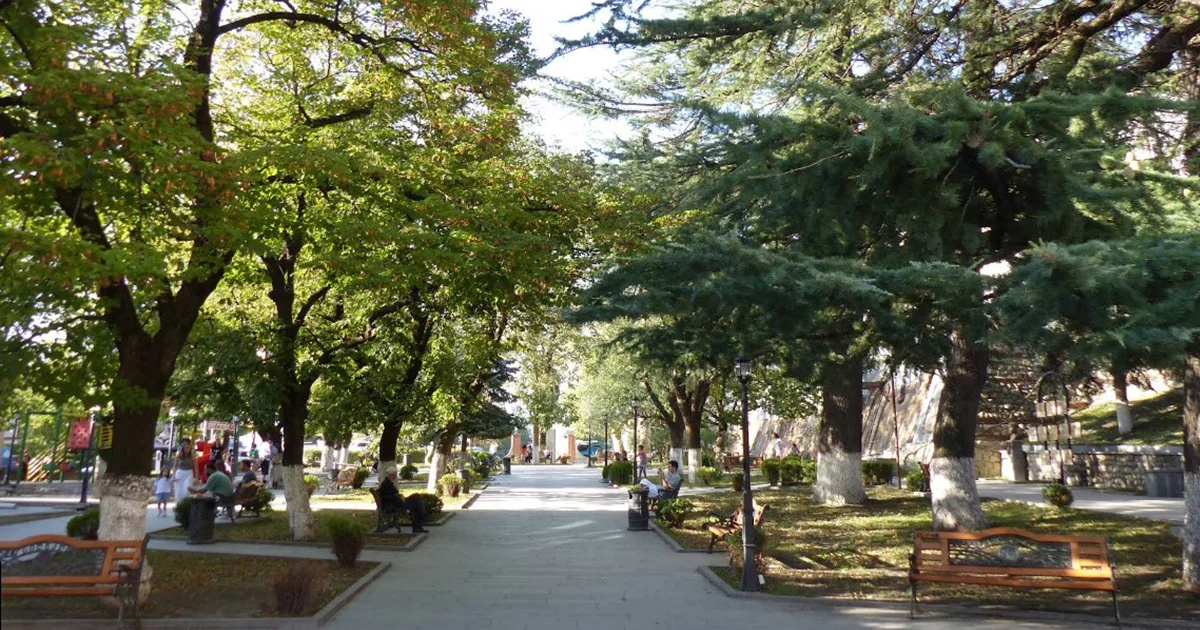
Sighnaghi’s boulevard has been an important center of the city’s cultural and public life since the second half of the 19th century. Today, the boulevard and the adjacent park feature busts of prominent public figures and artists, a children’s area, and memorials dedicated to significant events in Georgia’s history, including the Second World War, the events of April 9, the wars in Abkhazia and Samachablo, and the 2008 Russo-Georgian War.
10. The Boulevard and War Memorials
Sighnaghi’s boulevard has been an important center of the city’s cultural and public life since the second half of the 19th century. Today, the boulevard and the adjacent park feature busts of prominent public figures and artists, a children’s area, and memorials dedicated to significant events in Georgia’s history, including the Second World War, the events of April 9, the wars in Abkhazia and Samachablo, and the 2008 Russo-Georgian War.
11. Sighnaghi Stepantsminda Church
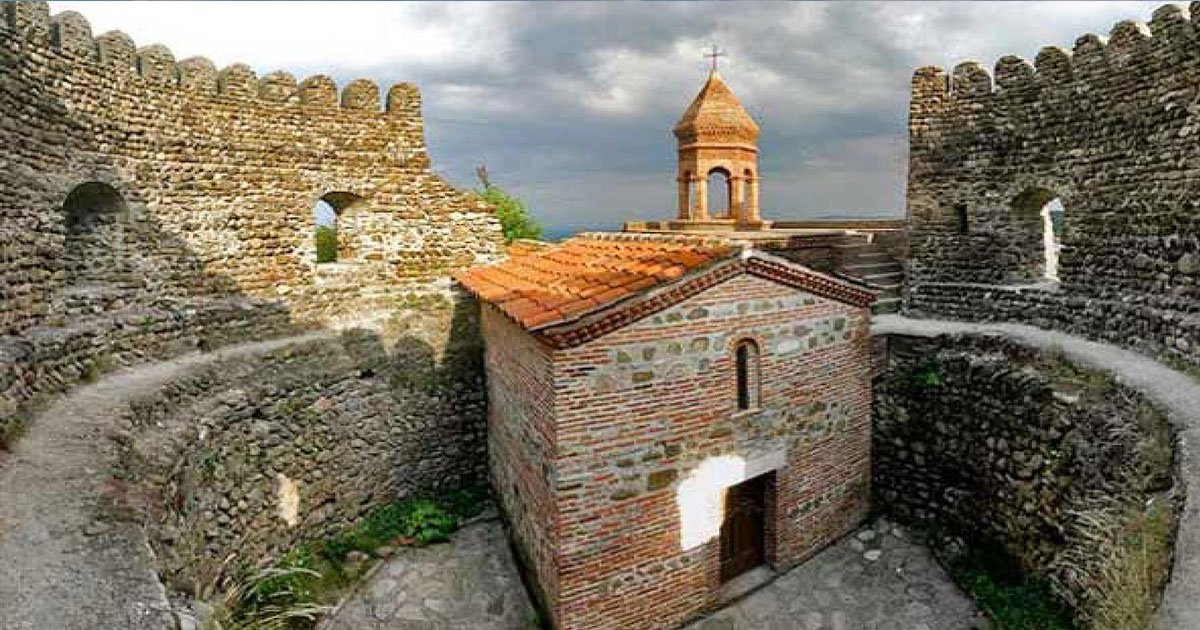
The Church of Saint Stephen the Protomartyr was built in 1762 within the historic fortress walls and incorporated into the largest tower, known as the “King’s” or “Dzhughaani” Tower. In 2001, restoration works were carried out at the church with funding from the Georgian Cultural Heritage Protection Foundation. Saint Stephen’s Church is one of Sighnaghi’s most interesting historical monuments and offers beautiful views of the city, the Alazani Valley, and the Caucasus Mountains.
11. Sighnaghi Stepantsminda Church
The Church of Saint Stephen the Protomartyr was built in 1762 within the historic fortress walls and incorporated into the largest tower, known as the “King’s” or “Dzhughaani” Tower. In 2001, restoration works were carried out at the church with funding from the Georgian Cultural Heritage Protection Foundation. Saint Stephen’s Church is one of Sighnaghi’s most interesting historical monuments and offers beautiful views of the city, the Alazani Valley, and the Caucasus Mountains.
12. Sighnaghi Ethnographic Park
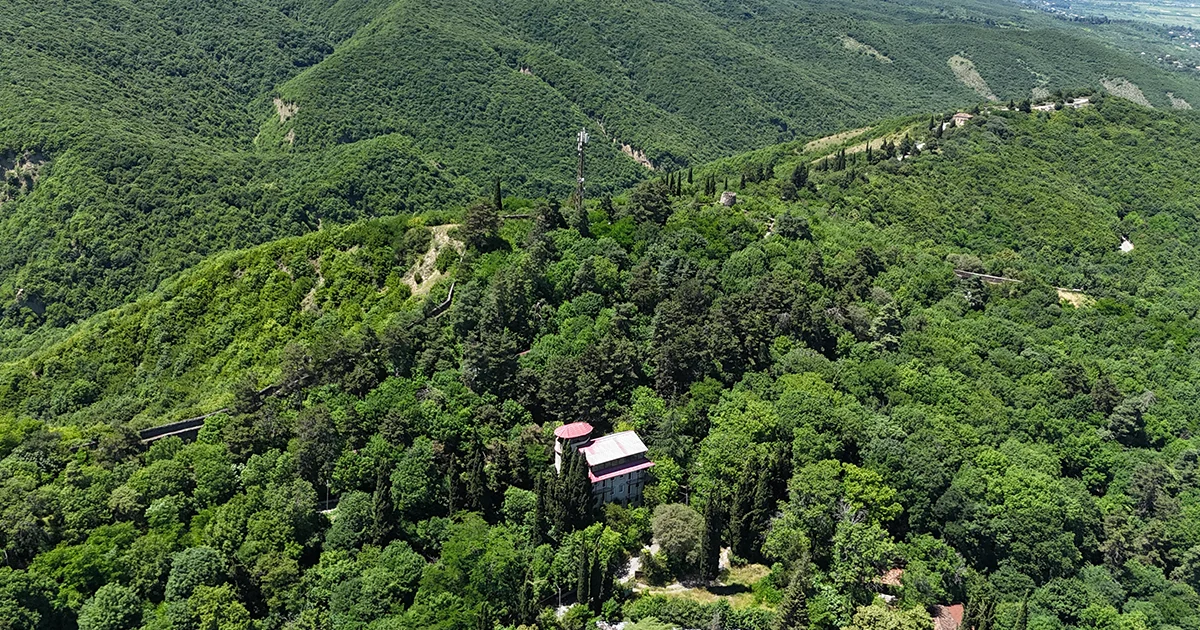
The Sighnaghi Ethnographic Park is located along the historic fortress walls and offers beautiful views of Sighnaghi and the Alazani Valley. The area, covered with coniferous trees, provides a natural, peaceful, and relaxing environment.
12. Sighnaghi Ethnographic Park
The Sighnaghi Ethnographic Park is located along the historic fortress walls and offers beautiful views of Sighnaghi and the Alazani Valley. The area, covered with coniferous trees, provides a natural, peaceful, and relaxing environment.
13. St. George’s Church
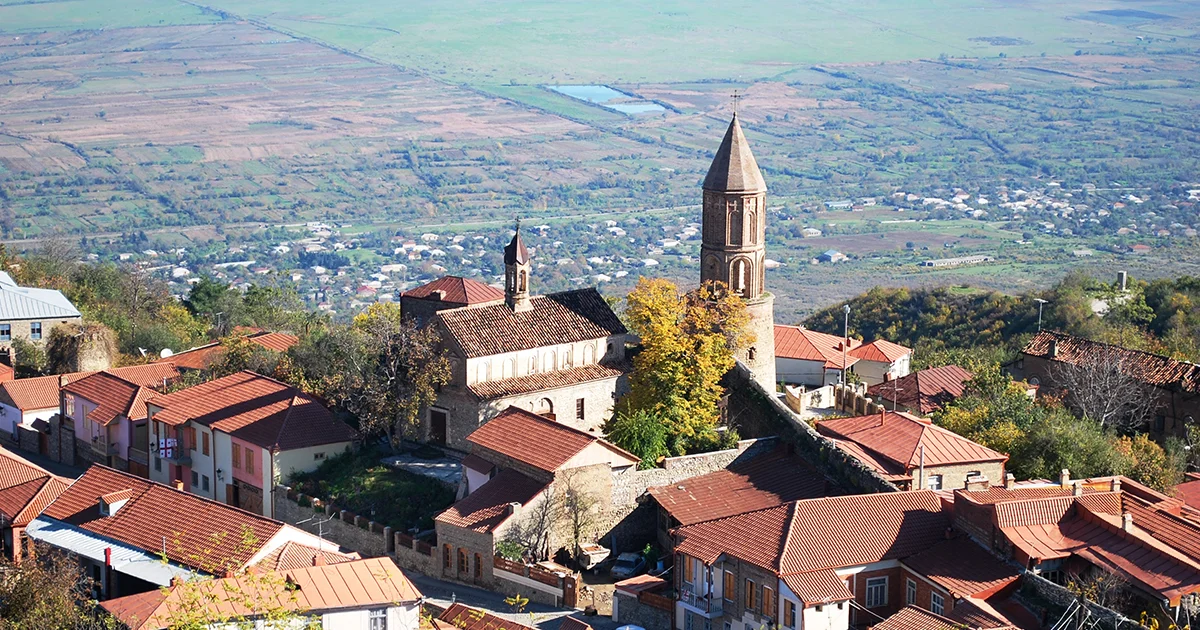
St. George’s Church is one of the notable monuments of Georgian architecture. It is located in the northeastern part of Sighnaghi, next to the eastern wall of the fortress. The church is a hall-type structure. Its present appearance is the result of reconstruction, and the existing building dates back to the mid-19th century.
13. St. George’s Church
St. George’s Church is one of the notable monuments of Georgian architecture. It is located in the northeastern part of Sighnaghi, next to the eastern wall of the fortress. The church is a hall-type structure. Its present appearance is the result of reconstruction, and the existing building dates back to the mid-19th century.
14. Sighnaghi Fortress Walls and Tourist Trail
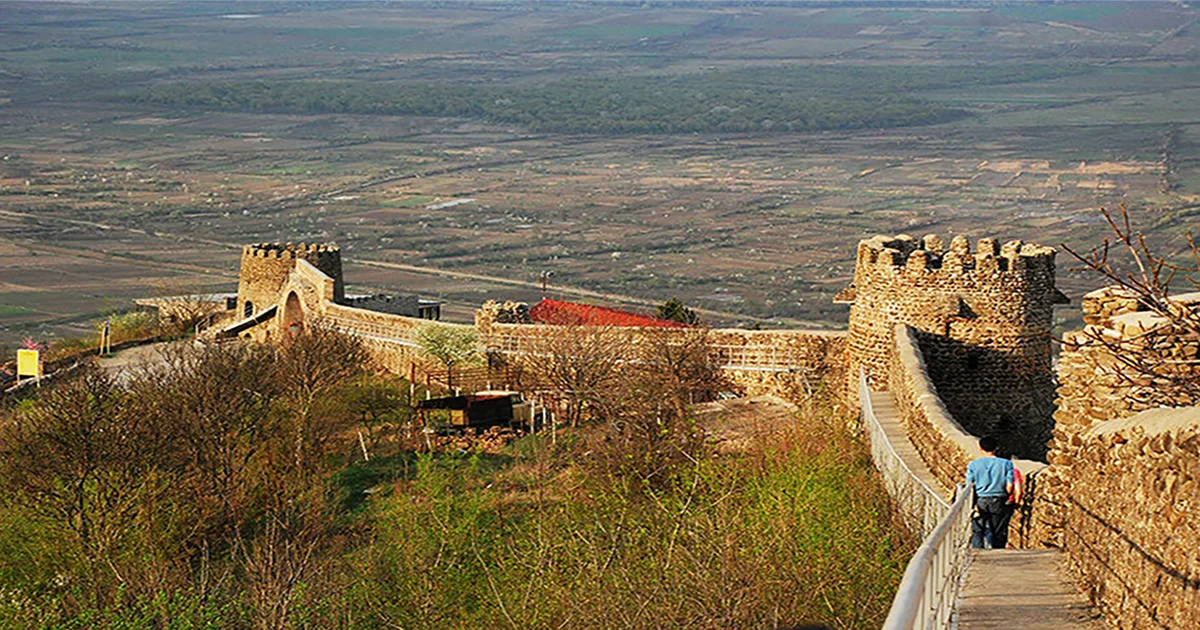
The Sighnaghi fortress walls were built in 1762 during the reign of King Erekle II and extend for approximately 4 km, incorporating 23 towers. The fortress served as a defensive structure where residents of nearby villages sought shelter during enemy invasions. The walls are built of river stone and feature a two-tiered structure. Today, the fortress walls have been restored almost to their original appearance. A tourist trail runs along a section of the walls, allowing visitors to enjoy a walk while taking in beautiful views of the Alazani Valley.
14. Sighnaghi Fortress Walls and Tourist Trail
The Sighnaghi fortress walls were built in 1762 during the reign of King Erekle II and extend for approximately 4 km, incorporating 23 towers. The fortress served as a defensive structure where residents of nearby villages sought shelter during enemy invasions. The walls are built of river stone and feature a two-tiered structure. Today, the fortress walls have been restored almost to their original appearance. A tourist trail runs along a section of the walls, allowing visitors to enjoy a walk while taking in beautiful views of the Alazani Valley.